Wondering how much fencing you’ll need for your next project and what it will cost? Start with our free fence cost estimator. This calculator gives you a quick way to see what your fencing project might involve.
Whether you’re replacing an old fence or installing one for the first time, having a starting estimate helps you set a budget and compare materials with more confidence. This page offers a simple tool to help you do that, along with the same straightforward support Cedar Mountain Fence Company provides during a typical consultation.
Once you have a layout in mind, the calculator below can help estimate the materials and size your project may require.
Use this simple tool to estimate your linear footage, material needs, and gate count. Add your measurements, choose a material, and select a fence height to see an estimate that reflects the layout you have in mind.
A helpful fence estimate starts with accurate measurements. Walking your yard and measuring each side gives you a clearer idea of the materials you’ll need. Many homeowners break the space into smaller sections, especially when patios, landscaping, or driveways interrupt straight lines.
To get a dependable measurement, follow these simple steps:
Once you know your total linear footage, the fencing calculator can estimate how many panels, posts, and gates your project may require. While it won’t replace the accuracy of a professional on-site measurement, it gives you a reliable starting point for planning your budget and exploring the materials that may fit your project best.
Every fence project is different, and several factors determine how much the final installation will cost. Understanding these factors early helps you compare options and plan a fence that fits both your yard and your budget. The sections below highlight the most common elements that influence overall pricing.
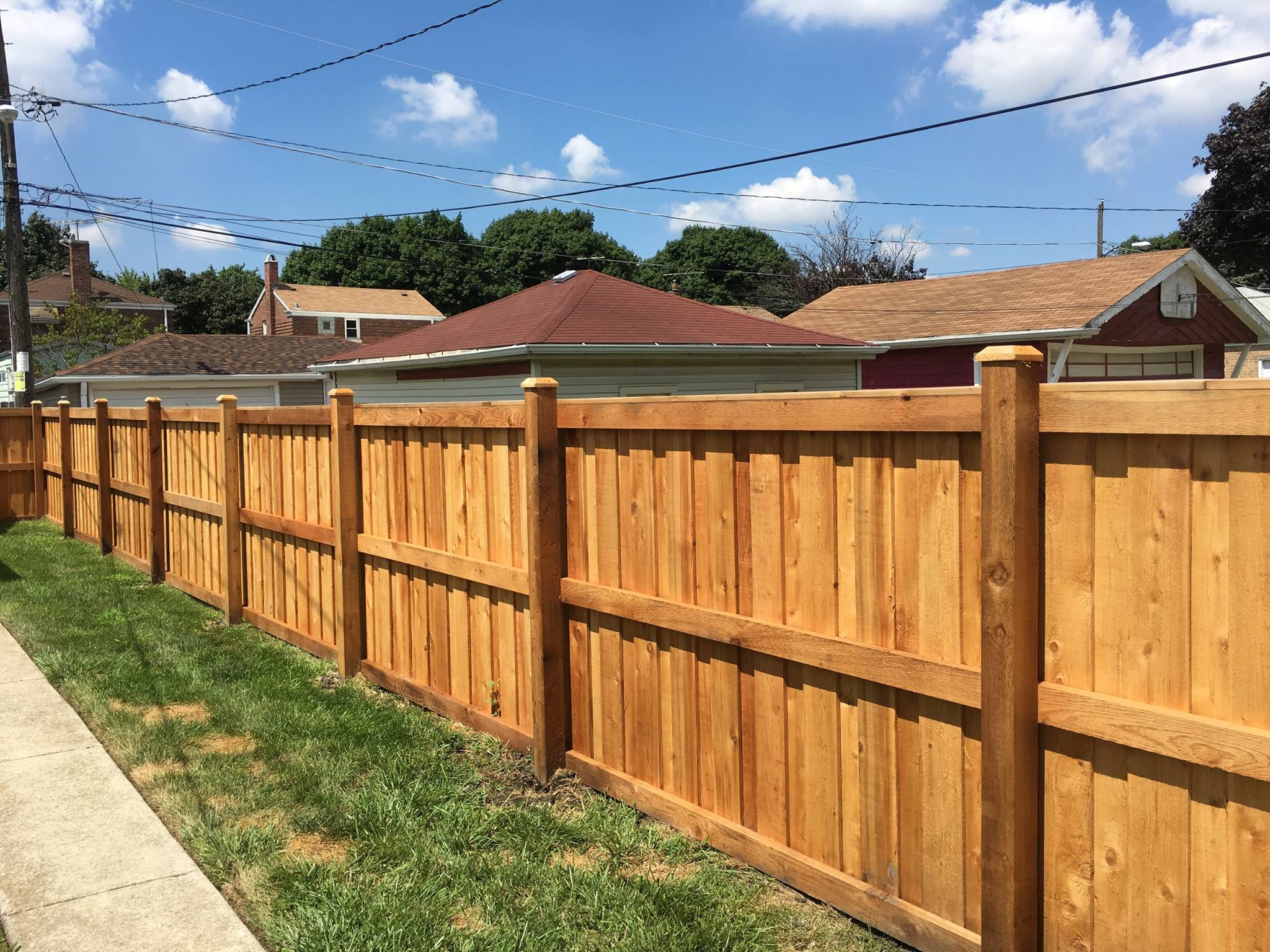
Material choice has a significant impact on cost. Each option brings its own look, level of upkeep, and long-term durability. Here are the most common choices homeowners compare:
Your material choice affects the price per foot and the amount of fencing needed, so it helps to look at how each option handles weather, maintenance, and the overall look you want for your yard.
Fence height plays a large role in both material cost and installation. If you’re simply outlining a yard or creating a light separation, a four-foot fence is usually enough. Taller fences are a better choice if you are looking for more privacy or need something that makes it harder for pets to slip out.
As the height increases, more materials are needed. For example, a six-foot fence requires taller posts, deeper footing, and more surface coverage, which naturally affects the overall price. Many homeowners choose a height based on the fence’s primary purpose, whether that’s privacy, security, or simply marking their property line.
The shape and layout of your yard can influence fence installation. A flat, open yard is usually the simplest, while slopes, uneven ground, or tight spaces require a little more planning. Sloped yards may need the fence to be stepped or gently angled to keep each section secure and looking consistent.
Your soil type also plays a role, as soil can affect how posts are set. These details help explain why two yards of the same size can have different installation needs.
Labor costs depend on how straightforward or detailed the project is. A simple layout with wide open space is easier to install than a fence with several corners, grade changes, or custom sections. Material choice also plays a role, as some materials require greater precision during installation.
Getting a professional installation takes the stress out of knowing your fence is set correctly, secured at the proper depth, and built to last, which adds long-term value to your project.
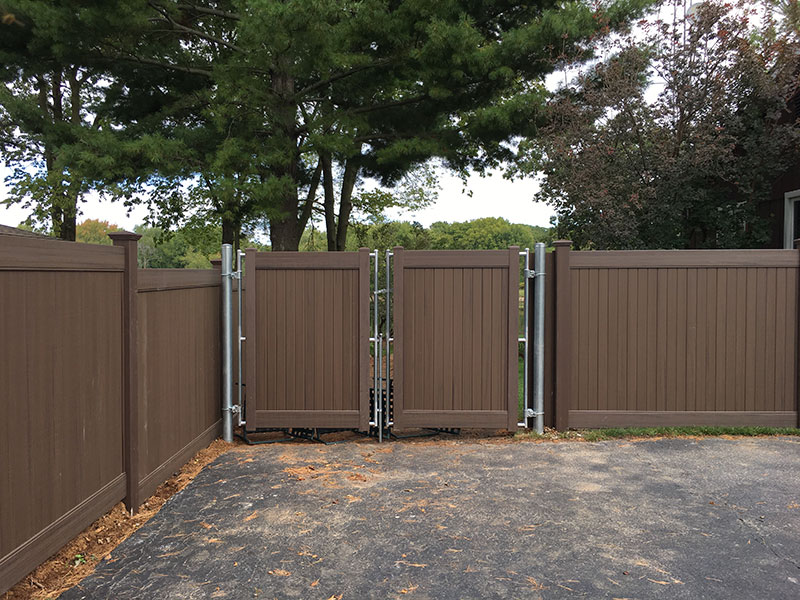
Gates can also affect the total cost. Most homeowners choose at least one walk-through gate, while others need a wider double gate for equipment, vehicles, or lawn access.
Gate size and type directly influence the hardware needed, such as hinges and latches, as well as the placement of additional support posts. Posts themselves are a key part of the fence structure, and each one needs to be set at the right depth and spacing to keep the fence stable over time.
Finding the right installer is an important part of planning your fence installation. Choose a company that takes the time to explain options clearly, uses dependable materials, and installs each section with care. Cedar Mountain Fence Company focuses on giving homeowners the support they need from the first measurement to the final walkthrough.
Here are a few reasons Naperville homeowners trust our team:
If you’re ready to start planning your fencing project, the fence calculator is a simple way to explore your options. When the time comes to take the next step, our team is here to answer questions, walk you through materials, and help you choose a design that fits your home.