
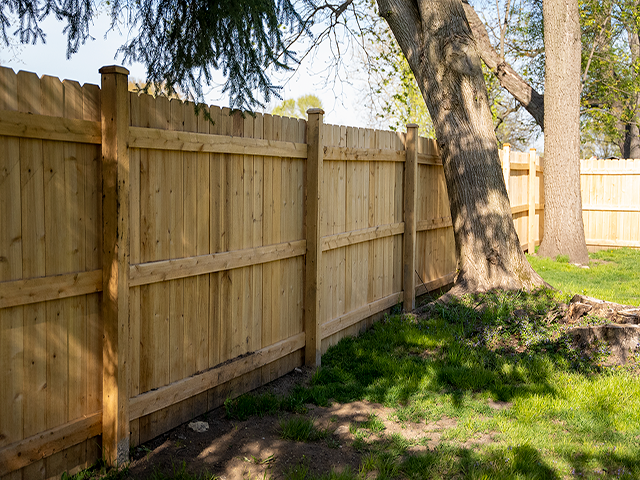
If you’re planning a fence upgrade, you're likely wondering, " How long does a wood fence last?"
Most homeowners expect their wood fence to last 15 to 20 years. However, with the right wood type and maintenance, some fences can last 30 years or more.
At Cedar Mountain Fence Company, we have over 30 years of wood fence installation experience. In this guide, we'll cover common factors that affect fence lifespan, as well as fence repair vs. replacement, so that you can make an informed decision.
The type of wood you choose plays a major role in how long your fence will last. Different materials respond differently to Illinois weather, especially with constant freeze-thaw cycles, humidity, and seasonal moisture swings.
Here's how long a treated wood fence lasts based on wood type:
Cedar is one of the most reliable wood fence materials for Illinois homeowners. It's naturally resistant to rot and insect damage and handles moisture better than other woods. This makes it especially durable in the Illinois climate with heavy rain and freeze-thaw cycles.
So, how long does a cedarwood fence last? Cedar fences that are properly installed and maintained can last 15 to 25 years or more.
Although it has a higher upfront cost, cedar offers a better value over time with lower long-term maintenance and replacement costs. Plus, there are several cedar fencing options to choose from to match your style.
Pressure-treated pine is one of the most common wood fencing options for Illinois homeowners. It's the most affordable upfront and offers a 10 to 20-year lifespan.
This wood is treated with chemicals to help resist moisture, insects, and fungal decay. However, it still requires routine maintenance to achieve its maximum lifespan.
Even with the right material, how long a wood fence lasts depends on environmental conditions and proper installation.
Common fence lifespan factors include:
Illinois weather puts constant stress on wood fences due to year-round moisture and temperature changes.
Key challenges look like:
Freeze-thaw cycles that cause wood to expand, contract, and crack over time
High humidity that increases the risk of rot and decay
Seasonal weather swings that weaken structural integrity
Without seasonal maintenance, these conditions can significantly shorten a fence’s lifespan.
Improper drainage can reduce fence lifespan by 30 to 50%. Common issues in Illinois include:
Soil that retains water, increasing moisture around fence posts
Expansion and contraction that put pressure on the structure
Standing water that accelerates rot and post failure
Proper grading and drainage help prevent these problems and keep your fence stable for longer.
Installation quality plays a big role in long-term fence performance. Even small mistakes can lead to early failures.
Common DIY issues we see include:
Posts set too shallow
Improper spacing between posts
Poor drainage planning
Lower-quality hardware or materials
A professionally installed fence is built to handle local conditions and often has a longer lifespan.
Wood fence maintenance is the best way to get more life out of your fence. With the right upkeep, it’s possible to double your fence’s lifespan. Plus, the cost of maintenance is much smaller compared to an early fence replacement.
Here are seasonal maintenance considerations for Illinois weather:
Routine monthly inspections help catch small issues before they turn into expensive problems.
Look for:
Loose or warped boards
Leaning or shifting posts
Rusted or damaged hardware
Early signs of rot or moisture damage
Catching these early keeps repair costs low and prevents further damage.
Moisture buildup around your fence is one of the fastest ways to shorten its lifespan. Maintaining proper clearance helps protect the structure and prevent unnecessary wear.
Be sure to:
Keep plants and shrubs trimmed away from the fence
Avoid irrigation systems that spray directly onto the wood
Prevent mulch or soil from building up at the base
Watch for tree roots that can shift or damage posts
At some point, every homeowner has to decide whether to repair or replace their fence. Knowing the difference can save you money and help you avoid costly repairs for a fence that’s already nearing the end of its lifespan.
Here are signs that your fence needs a replacement vs. repairs:
Not all damage requires a replacement. Many common issues can be fixed quickly and affordably if caught early.
Typical repairs look like:
Replacing cracked, warped, or missing individual boards
Stabilizing or resetting a single loose post
Repairing or replacing gate hinges and hardware
Reinforcing small sections that have started to weaken
Average fence repair costs range from $100 to $500. A professional assessment is the best way to get a clear estimate for your project.
When structural issues become widespread, a wood fence replacement is the more practical option.
Signs it’s time to replace include:
Multiple posts are rotting, leaning, or failing
Large sections are unstable or collapsing
Widespread wood rot or splitting
When repair costs approach or exceed 40% of the replacement cost, investing in a new fence typically provides better long-term value.
How long a treated wood fence lasts comes down to installation quality and ongoing maintenance. The right wood species, proper installation, and consistent staining or sealing can easily add 10+ years to your fence’s lifespan.
At Cedar Mountain Fence Company, we’ve spent over 30 years helping homeowners across Naperville and the surrounding Chicago suburbs get the most out of their wood fences. If you're unsure how long a wood fence lasts or whether it's worth your investment, we're here to help. We offer professional guidance, free estimates, and expert wood fence installation.
Not sure what a replacement might cost? Use our fence cost calculator to plan your next steps.
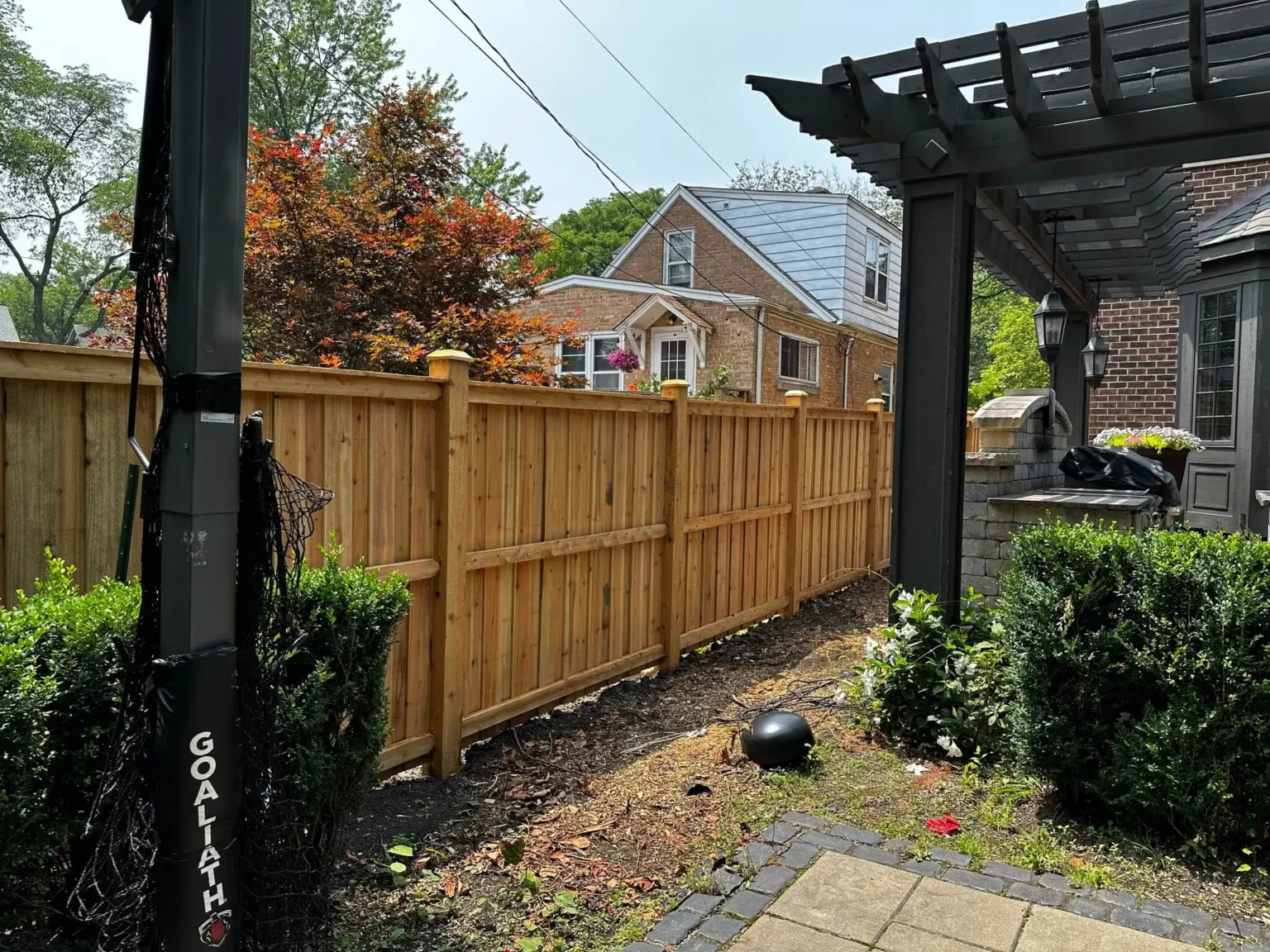
Ready to schedule your fence estimate? Please call us or fill out the form below to schedule your free fence estimate. We will contact you via phone or sms to schedule your free fence estimate. Thank you!