
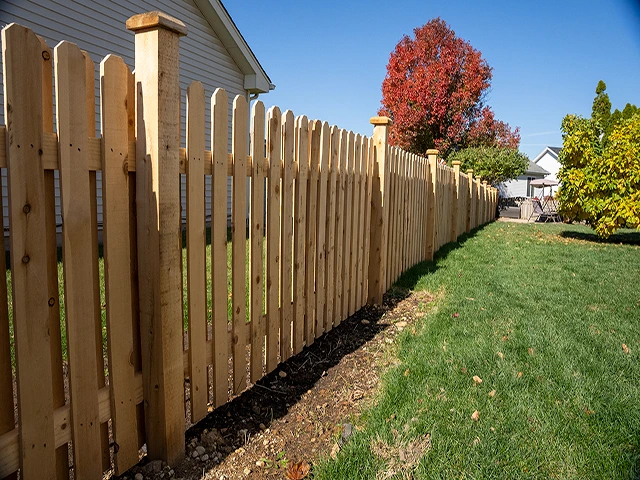
A wood fence that looks gray, green, or streaked with mold is one of the most common homeowner complaints after a Midwest winter. The good news is that regular fence cleaning can restore its appearance and help protect it from premature wear.
At Cedar Mountain Fence Company, our local fence installers bring over 30 years of combined experience in high-quality wood fencing throughout the Chicago suburbs.
In this guide, you'll learn how to clean a wood fence using both pressure washing and hand-scrubbing methods. We'll also cover common mistakes to avoid and when it's best to call a professional.
Knowing how to clean wood fence material begins with using the right tools and supplies. The proper supplies depend on your chosen cleaning method.
For pressure washing:
Pressure washer set between 1,200 and 1,500 PSI
25-degree or 40-degree spray tip
Oxygen bleach or a commercial wood fence cleaner
Stiff-bristle brush for stubborn spots
Garden hose
Safety glasses
Rubber gloves
For hand-scrubbing:
Two 5-gallon buckets
Oxygen bleach or a mixture of white vinegar and dish soap
Stiff-bristle scrub brush or deck brush
Garden hose with a spray nozzle
Safety glasses
Rubber gloves
Drop cloth or tarp to protect nearby landscaping
Oxygen bleach is generally the safest option because it removes dirt and mildew without damaging nearby plants or changing the natural color of the wood.
Not every wood fence cleaner works the same way. The best choice depends on the condition of your fence and whether you plan to stain it afterward.
The three main cleaner types for fence washing are:
Oxygen bleach: Best for removing dirt, algae, and mildew while protecting plants and wood color. Mix 1 scoop per gallon of warm water.
Chlorine bleach: Works on heavy mildew but can discolor cedar and harm nearby plants. It's generally not recommended for cedar fences. However, if using, dilute 1 cup of bleach per gallon of water and rinse thoroughly.
Commercial wood cleaners: Products designed specifically for wood fences provide excellent results, especially before staining. Pre-formulated for wood surfaces, pH-balanced, and safe for most wood species, including cedar.
Tip: Never use undiluted bleach directly on your fence, as it can damage the wood and cause discoloration.
Before you get started, take a few minutes to protect your landscaping:
Water nearby grass, flowers, and shrubs before applying any cleaner.
Lay down a tarp if you're using stronger cleaning products.
Move patio furniture, planters, and decorations away from the fence.
If you're using acidic products, protect exposed metal hardware to reduce the risk of corrosion.
Cleaning a wood fence doesn't have to be difficult. Whether you're using a pressure washer or cleaning by hand, following the right steps will help you get better results without damaging the wood.
Here's how to clean a wood fence safely:
1. Rinse the Fence
Start by rinsing the entire fence with a garden hose or a pressure washer on a low setting. This removes loose dirt, cobwebs, leaves, and other debris before you apply any cleaner.
Working from the top down keeps dirty water from running over areas you've already cleaned.
2. Apply the Cleaning Solution
Mix your cleaner according to the manufacturer's instructions, then apply it using a pump sprayer or brush. Work in sections about 6 to 8 feet wide so the solution doesn't dry before you have time to scrub.
Allow the cleaner to sit for 10 to 15 minutes, then scrub with a stiff-bristle brush following the direction of the wood grain.
If you're using a pressure washer, keep the nozzle moving and maintain a safe distance from the fence. Too much pressure or holding the spray in one spot can damage the wood fibers.
3. Rinse and Inspect
Thoroughly rinse away all of the cleaning solution with clean water. Once the fence has dried slightly, inspect it for signs of damage such as:
Raised wood grain
Cracked or split boards
Soft spots caused by rot
Loose or damaged hardware
If you find structural damage during your inspection, our fence repair team can assess the damage before you refinish.
If you don't own a pressure washer, don't worry. You can still get excellent results with a few simple supplies. In fact, many homeowners prefer this method because it's gentler on the wood.
Here's how to clean a wood fence without pressure washing:
For light dirt and grime: Mix 1 gallon of warm water with 1 cup of white vinegar and 2 tablespoons of liquid dish soap. Apply the solution with a scrub brush, scrub with the grain, and rinse with a garden hose.
For mold, mildew, or heavy staining: Mix about 2 ounces of oxygen bleach with 1 gallon of warm water. Apply the solution with a pump sprayer or brush, let it sit for 10 to 15 minutes, scrub with a stiff-bristle brush, and rinse thoroughly.
After rinsing the fence, let it dry for at least 48 to 72 hours before applying stain or sealer. While the surface may feel dry sooner, moisture can remain inside the wood.
If you're not planning to stain the fence, no additional steps are necessary. Once it's dry, your fence is ready for normal use and should look noticeably cleaner.
Knowing how to clean a wood fence is one of the most important steps before staining. Dirt, mildew, and old finishes can prevent stain from soaking into the wood, leading to uneven color and a finish that doesn't last.
If your fence still has an old stain or sealer, you may need a wood stripper before cleaning. For unfinished wood or newer cedar fences, a thorough cleaning with oxygen bleach is usually enough.
Here's how to clean a wood fence before staining:
Before applying the stain, make sure the fence is completely dry using one of these methods:
Water bead test: Sprinkle a few drops of water onto the wood. If the water absorbs into the surface within a few seconds, the fence is generally ready for staining. If it beads up, allow more drying time or remove any remaining old finish.
Moisture meter method (most accurate): For the most accurate results, use a wood moisture meter. This is typically available at a hardware store. Ideally, the moisture content should be below 15% before staining; above 15%, the stain will not penetrate or cure properly.
For the best-looking finish, consider applying a wood brightener after cleaning. A brightener helps restore the wood's natural color and prepares the surface for more even stain absorption.
After applying the brightener, let the fence dry again before staining according to the manufacturer's directions.
If your inspection revealed widespread rot, broken boards, or structural damage, cleaning and staining may not be enough. Our wood fence installation team can help determine whether replacing damaged sections or the entire fence is the better long-term solution.
Cleaning your fence is a great way to extend its life, but using the wrong techniques can cause unnecessary damage. Here are 5 fencing cleaning mistakes to avoid:
Using too much pressure. Pressure above 1,500 PSI can damage wood fibers and leave the surface rough. Always use the proper spray tip and keep the nozzle moving.
Using chlorine bleach on cedar fences. Chlorine bleach can discolor cedar and damage nearby landscaping. Oxygen bleach is usually the safer choice.
Cleaning in direct sunlight. Cleaning solutions can dry too quickly on hot days, leaving streaks behind. Choose a cool, cloudy day or work during the morning.
Scrubbing against the wood grain. Always scrub in the direction of the grain to avoid raising the wood fibers and creating a rough surface.
Staining before the fence has dried. Trapped moisture can cause the stain to peel or wear prematurely. Give the fence plenty of time to dry before applying any finish.
Knowing how to clean a wood fence is one of the easiest ways to protect your investment and keep it looking great year after year.
If your fence has extensive damage or has reached the end of its lifespan, Cedar Mountain Fence is here to help. From expert repairs to beautiful new privacy fence options and custom wood fence installations, our team has been serving homeowners throughout the Chicago suburbs for over 30 years.
Contact us today to get a free fence estimate, or view our wood fence gallery to see how a well-maintained wood fence can enhance your property.
Most wood fences should be cleaned once a year, preferably in the spring after winter weather has passed. If your fence is in a shaded or damp area where mold and mildew grow more easily, we recommend fence cleaning twice a year.
Yes, but fence pressure washing should be done carefully to avoid damaging the wood. Use a pressure washer set between 1,200 and 1,500 PSI with a 25- or 40-degree spray tip. Hold the nozzle 12 to 18 inches from the fence and keep it moving to avoid damaging the wood.
For most cedar and wood fences, oxygen bleach is one of the best options. It removes dirt, mildew, and algae without harming nearby plants or stripping the wood's natural color. If you're preparing the fence for staining, a commercial wood cleaner is another excellent choice.
Wait at least 48 to 72 hours after cleaning before applying the stain. The wood should be completely dry to ensure the stain absorbs evenly and provides long-lasting protection.
Yes. Regular cleaning removes dirt, mold, and mildew that can trap moisture against the wood and speed up deterioration. Combined with routine staining or sealing, annual cleaning can help extend the life of your wood fence and keep it looking beautiful for years.
Ready to schedule your fence estimate? Please call us or fill out the form below to schedule your free fence estimate. We will contact you via phone or sms to schedule your free fence estimate. Thank you!